Summer Safety Tips for Older Adults
There are two priorities to keep our community’s older adults safe:
- 1. avoiding the dangers of excessive summer heat and humidity, and
- 2. preventing falls, a year-round need, but one where summer presents some special challenges.
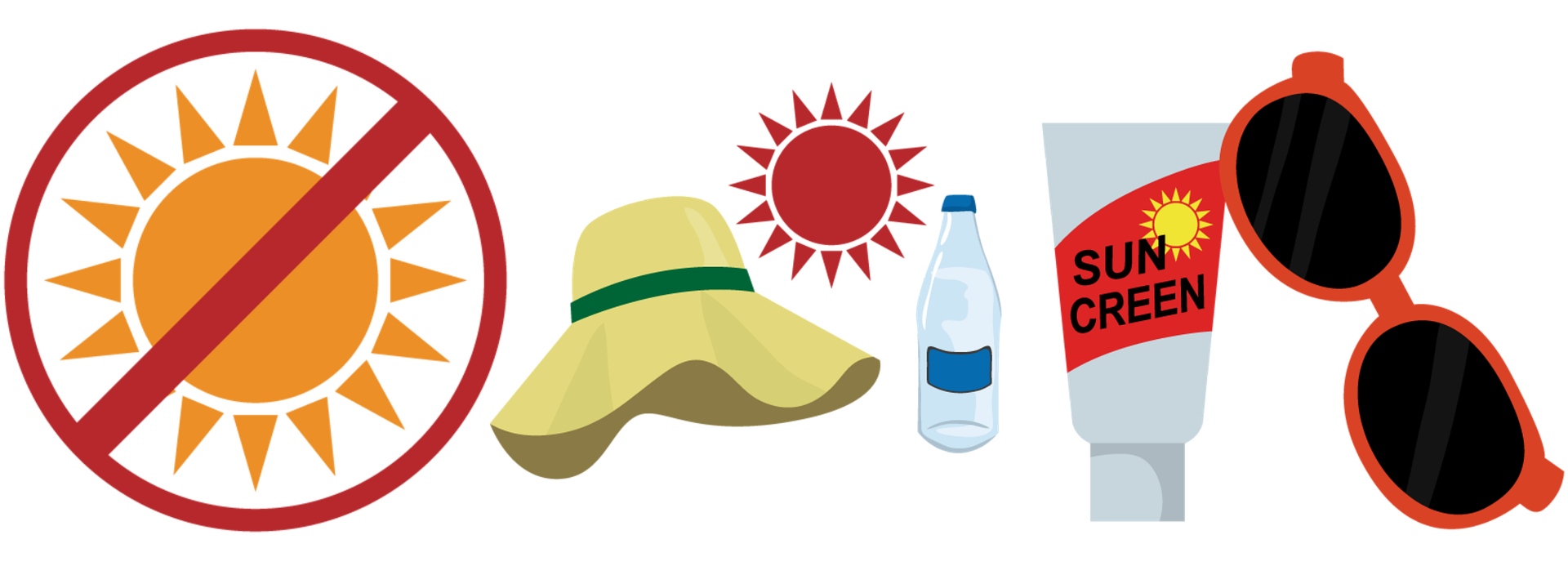
Keeping Cool During Our Hot Summers – Older adults are at greater risk for heat exhaustion and heat stroke, both of which can become life-threatening if not recognized and addressed quickly. Simple prevention includes staying out of the direct sun between 9 am and 3 pm, exercising in air-conditioning or during the cooler times of day, staying well hydrated with water & electrolytes (sports drinks), and wearing loose, lightly colored clothing. Non-alcoholic iced drinks can also help keep you cool, and be careful consuming alcohol – too much of it can be dangerous, for everyone.
How Do You Spot and Treat Someone Who is Over-Heated? People with heat exhaustion or heat stroke can display weakness, dizziness, headache, confusion, a fast pulse, heavy sweating or red, hot, dry or damp skin, and lose consciousness (pass out). Learn more from this hot weather safety guide from National Institute of Health. Treatment includes moving them to a cooler place, using cool cloths or a cool bath to lower their body temperature, sipping water, and if they do pass out or symptoms get worse, get immediate medical attention or call 911.
Preventing Falls Outside – Falls are one of the major reasons seniors go to the Emergency Dept, get hospitalized, and even suffer an early death. Along with falling from heat exhaustion/stroke, many summer activities can lead to falls. This includes falls while hiking up in our beautiful Blue Ridge Mountains or at other area attractions. Along with taking a sturdy walking stick to navigate curbs and other uneven surfaces, be sure to pack all the supplies you need to stay well hydrated and safe from the heat and sun. Be sure as well to take a charged cell phone and let someone not with you know where you’re going and when to expect you back.
Closer to home, other activities that can cause a fall includes yard work and anything involving a ladder. Rather than risking an injury or maybe even your life climbing a ladder to clean a window or paint some trim, hire a college student or a contractor to do the work. It can save you in the long run, literally! Yard work can also involve lifting heavy bags, rocks, or other items, all of which can contribute to joint and back pain, one of the most common reasons seniors go to the doctor and use pain medication. If you are able to afford it, hire someone else to do the work to avoid it becoming a pain in the neck, or your back.
Fall Prevention in the Home – although we all know how important it is to prevent falls, we often avoid or delay making needed home safety modifications. Right now, during the summer, is as good a time as any to finally make those necessary changes. Start with a home safety assessment for which there are many good lists online, including from AARP. Then follow-thru on the priority items, to keep you and your loved ones safe this summer and then the whole year through.
Quick Summer Safety Checklist
-
- Drink water throughout the day.
- Avoid outdoor activities during peak afternoon heat.
- Wear lightweight clothing, a hat, and sunscreen.
- Stay in air-conditioned spaces whenever possible.
- Review medications that may increase heat sensitivity.
- Know the warning signs of heat exhaustion and heat stroke.
- Check on older family members, friends, and neighbors regularly.
A few simple precautions can help older adults enjoy a safe, healthy, and active summer.

ENJOY THE SUMMER, SAFELY!
About the Author: Fred D. Jung, RN, PhD is the founder of
Blue Ridge ElderCare Advisors, LLC. He has expert knowledge and experience in disease management, infection control, healthcare insurance, geriatric & end-of life care. He is an Advanced Professional member of the
Aging Life Care Association. With a PhD in Adult Health Nursing from the University of Texas, he developed one of the first on-line case management courses for the University of Colorado. Fred began his career in long-term care & has held positions as an RN, clinical specialist, faculty member, Director of Quality & Case Management, and as an Administrator at the UVA Health System. He now focuses on improving the quality and effectiveness of care for older adults in central Virginia and the Shenandoah Valley.